Planning a fishing trip abroad
A well-planned fishing trip leaves more time for the water and fewer surprises. This checklist walks through the main things to consider before you travel.
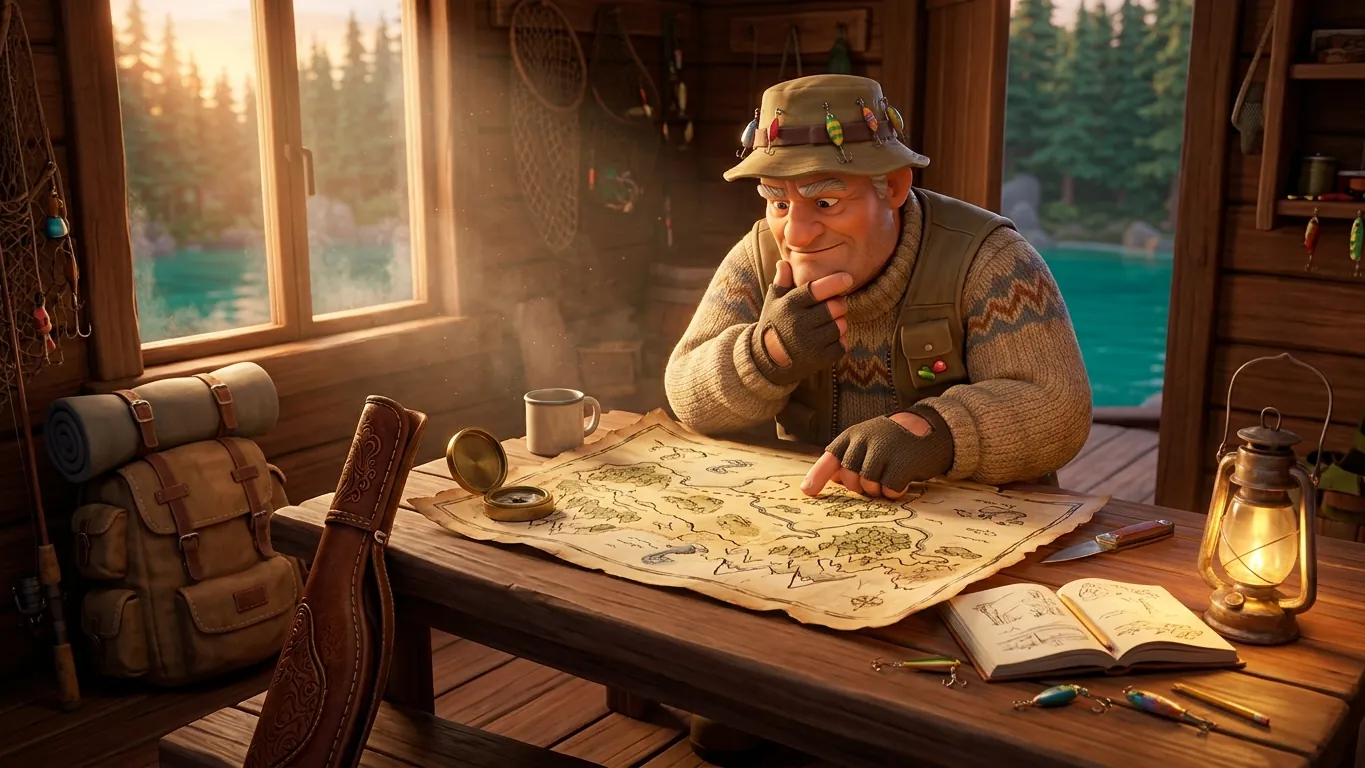
Start with what you want from the trip
Before booking anything, think about what kind of experience you want. Are you hoping to target a specific species, explore a new type of water or combine fishing with general sightseeing? Do you prefer fishing independently or with a local guide? Your answers will shape the destination, the season and the gear you need.
It is also worth being honest about your experience level. A remote river that requires long hikes and difficult wading is a very different trip from a lakeside stay with easy shore access. Choose something that matches your skills and fitness.
Step-by-step planning checklist
Use these steps as a starting framework and adapt them to your destination.
- 01
Research the destination
Learn which species live there, what the typical seasons are and how anglers usually access the water.
- 02
Check rules and permits
Find the official regulations for licenses, seasons, limits and protected areas, and arrange any required permits.
- 03
Choose your timing
Consider weather, water levels and fish activity for the time of year, and plan some flexibility.
- 04
Plan your tackle
Bring gear suited to the target species and conditions, and check transport rules for rods and equipment.
- 05
Prepare for safety
Research local hazards, carry appropriate safety gear and let someone know your plans each day.
- 06
Pack for the climate
Pack layers, rain gear, sun protection and suitable footwear for the environment you will be fishing.
Traveling with tackle
Rods and reels need protection in transit. Travel rods that break down into several pieces fit into compact tubes and are popular for this reason. Reels can be packed in padded cases, and hooks and lures should be stored securely so they do not damage other items.
Transport providers have their own rules about baggage and sharp objects, and some countries restrict bringing in natural bait, certain materials or used gear that may carry organisms. Check the requirements of both your carrier and your destination in advance. Cleaning and drying your gear before you travel helps avoid problems and protects local ecosystems.
Working with local knowledge
Local tackle shops, guides and fellow anglers often know far more about current conditions than any general source. If you hire a guide, ask clear questions in advance about what is included, what you need to bring and what the day will involve. Confirm that any service you use is properly authorized under local rules.
Even if you fish independently, a short conversation with someone local can save a lot of time. Be polite, respect private land and follow any access rules for riverbanks, beaches and boat ramps.
Leave room for the unexpected
Weather, water levels and fish behavior are never fully predictable. Build some flexibility into your itinerary so a day of high water or strong wind does not ruin the trip. Have a backup plan, such as a sheltered bay, a different stretch of river or a non-fishing activity.
Finally, remember that a good trip is about more than the number of fish caught. New landscapes, quiet mornings and the experience of learning a different style of fishing are often the parts people remember most. Plan carefully, stay safe and enjoy the journey.
Related articles
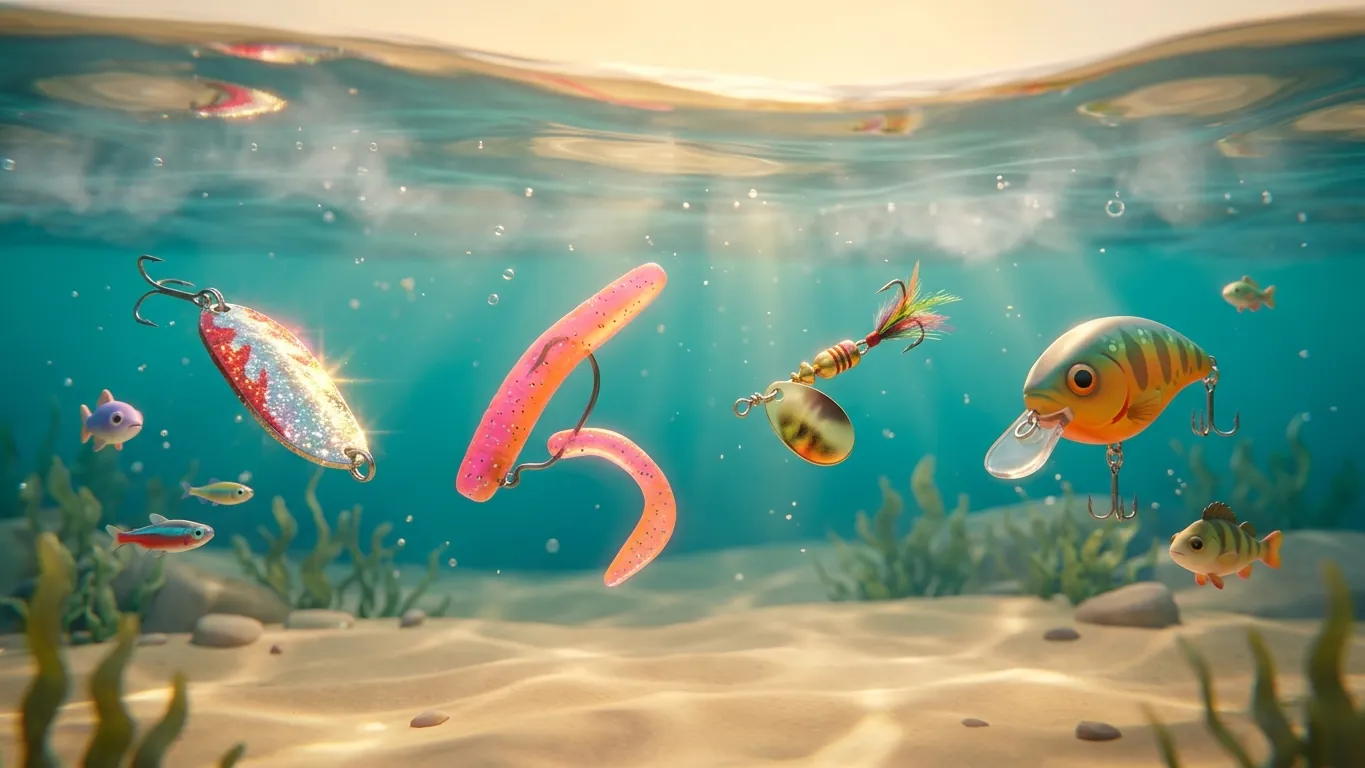 Lures vs bait
Understand the difference between natural bait and artificial lures, the main lure types and how to choose what to use in real fishing and fishing games.
Read more
 What fishing games get right and wrong
An opinion piece on how fishing video games compare with real angling: what they capture well, what they simplify and how each can enrich the other.
Read more
Catch and release habits
Practical catch and release habits for handling fish with care, from preparation to release, plus how these ideas appear in fishing video games.
Read more