Catch and release habits
Catch and release is a common practice among anglers who want to enjoy fishing while helping fish populations. This article covers careful handling habits and how the idea shows up in fishing games.
What catch and release means
Catch and release simply means returning a fish to the water after catching it, rather than keeping it. Anglers practice it for many reasons: to follow regulations that protect certain species or sizes, to support healthy fish numbers in popular waters or because they enjoy the act of fishing more than taking fish home.
Releasing a fish is not automatically harmless, which is why careful handling matters. The goal is to reduce stress and injury so the fish has the best chance of recovering. Rules about which fish must be released, and how, vary by location, so always check the official regulations where you fish.
Preparing before you cast
Good catch and release starts before a fish is hooked. Using tackle that is strong enough for the species helps you land fish without an overly long fight, which can exhaust them. Many anglers use barbless hooks, or flatten the barbs on regular hooks, to make unhooking quicker and gentler, where this is permitted.
Keep the tools you need within reach: a pair of pliers or a hook remover, and if you use one, a landing net with soft, knotless mesh. Having everything ready means the fish spends less time out of the water.
Handling and releasing a fish
These general habits are widely recommended for careful release.
- 01
Keep it in the water
Whenever possible, unhook the fish while it remains in or close to the water.
- 02
Wet your hands
Handle fish with wet hands to help protect their protective slime coating.
- 03
Support the body
If you lift a fish, support it gently and avoid squeezing or holding it by the gills.
- 04
Unhook quickly
Use pliers or a hook remover and work calmly; if a hook is deep, cutting the line may cause less harm.
- 05
Release gently
Hold the fish upright in the water, facing into gentle current if there is any, until it swims off.
Conditions that call for extra care
Some situations put more stress on fish. Warm water holds less oxygen, so fish can tire faster during hot weather. Many anglers choose to fish early in the day or shorten fights in summer. Fish caught from deep water may struggle when brought up quickly, and some regions have specific advice for handling them.
Photos are a popular part of fishing, but they should be quick. Have the camera ready before lifting the fish, keep it low over the water and return it promptly. If a fish seems exhausted, give it a little more time upright in the water before letting go.
Catch and release in fishing games
Many fishing games include a release option, and some encourage it through in-game rules about size or species. While there is no real fish involved, these mechanics can be a helpful reminder of real-world practices. Players who enjoy the collecting side of a game might treat releases as part of the challenge, focusing on finding and landing each species rather than keeping everything.
If a fishing game sparks your interest in real angling, carrying these habits to the water is a good way to start. Learn the local rules, prepare your gear and handle every fish with care. That way the waters you enjoy can stay healthy for other anglers too.
Related articles
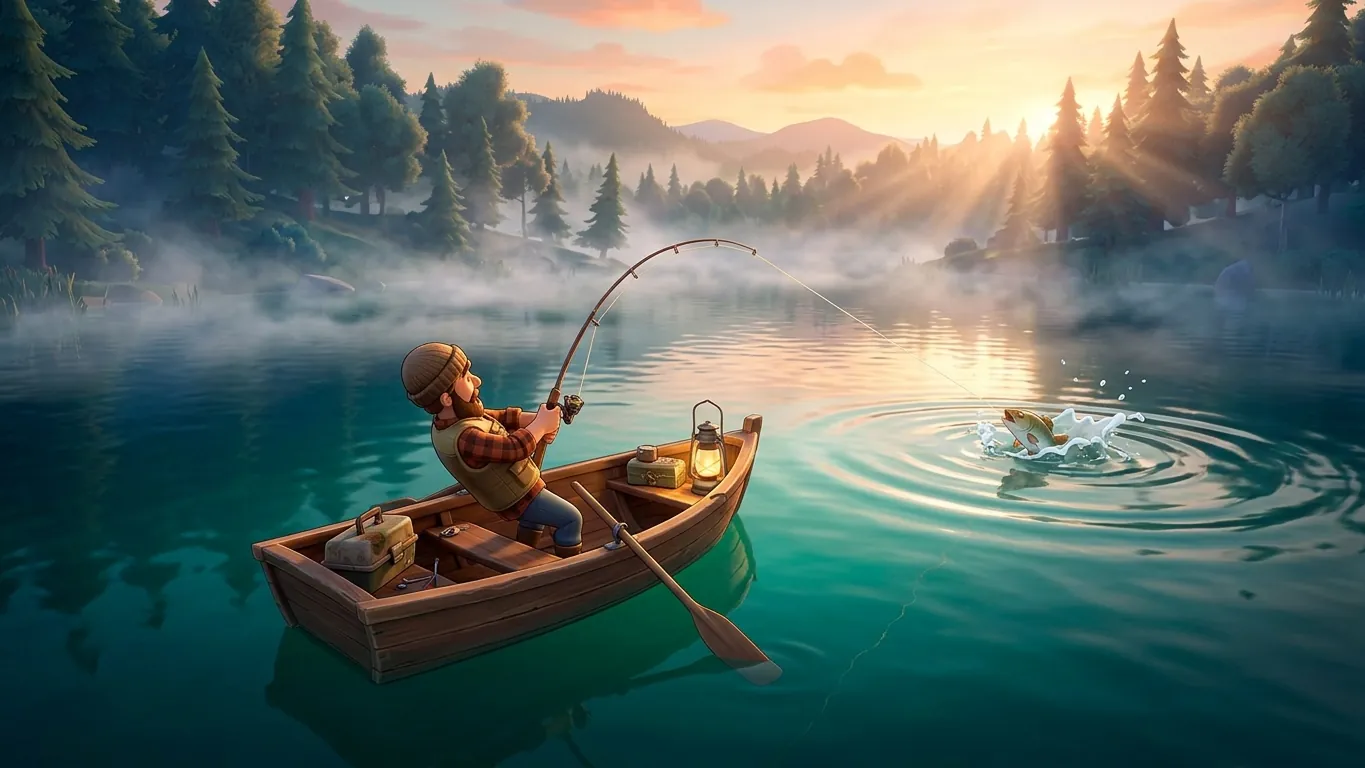 Fishing games for beginners
New to fishing video games? Learn how casting, hooking, reeling and progression usually work, and how to enjoy your first sessions on virtual water.
Read more
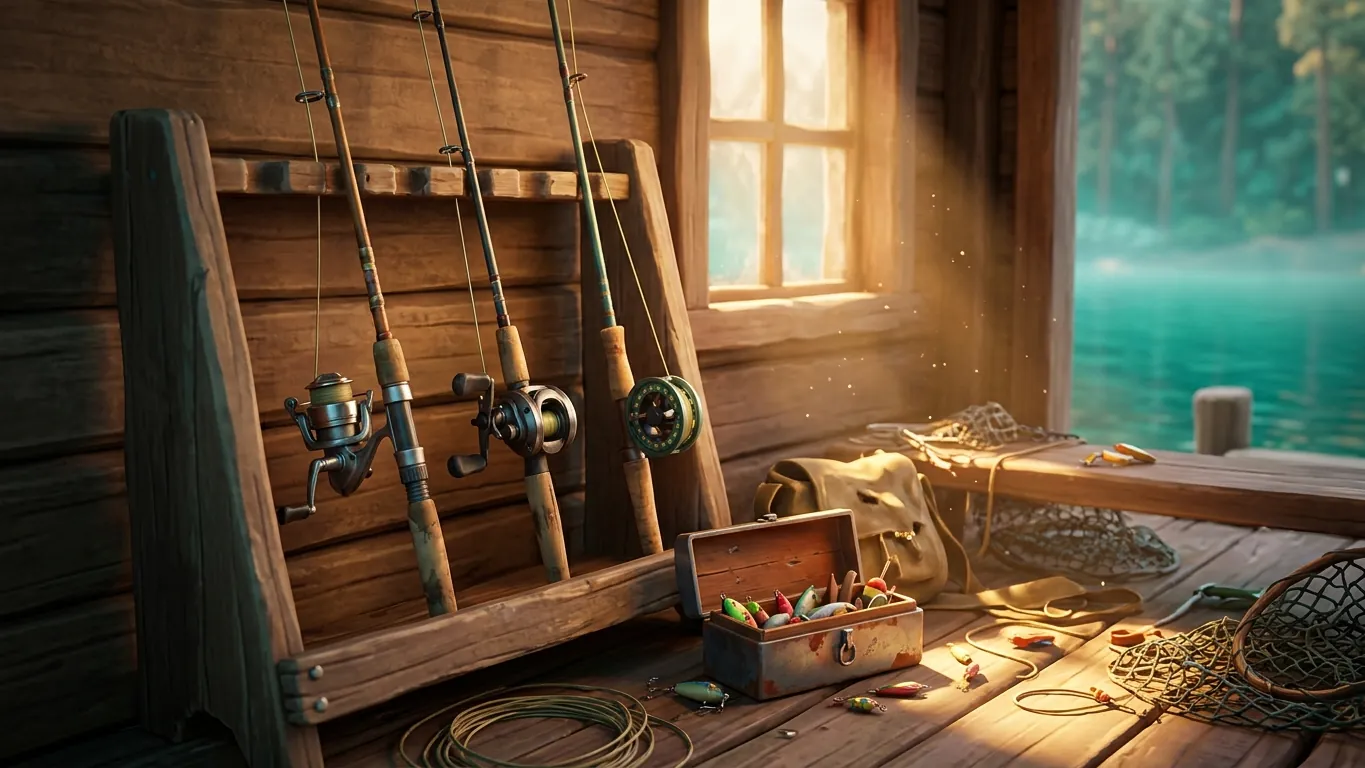 Rods and reels explained
A plain-language guide to fishing rods and reels: length, power, action, spinning and baitcasting reels, and how to choose a balanced first setup.
Read more
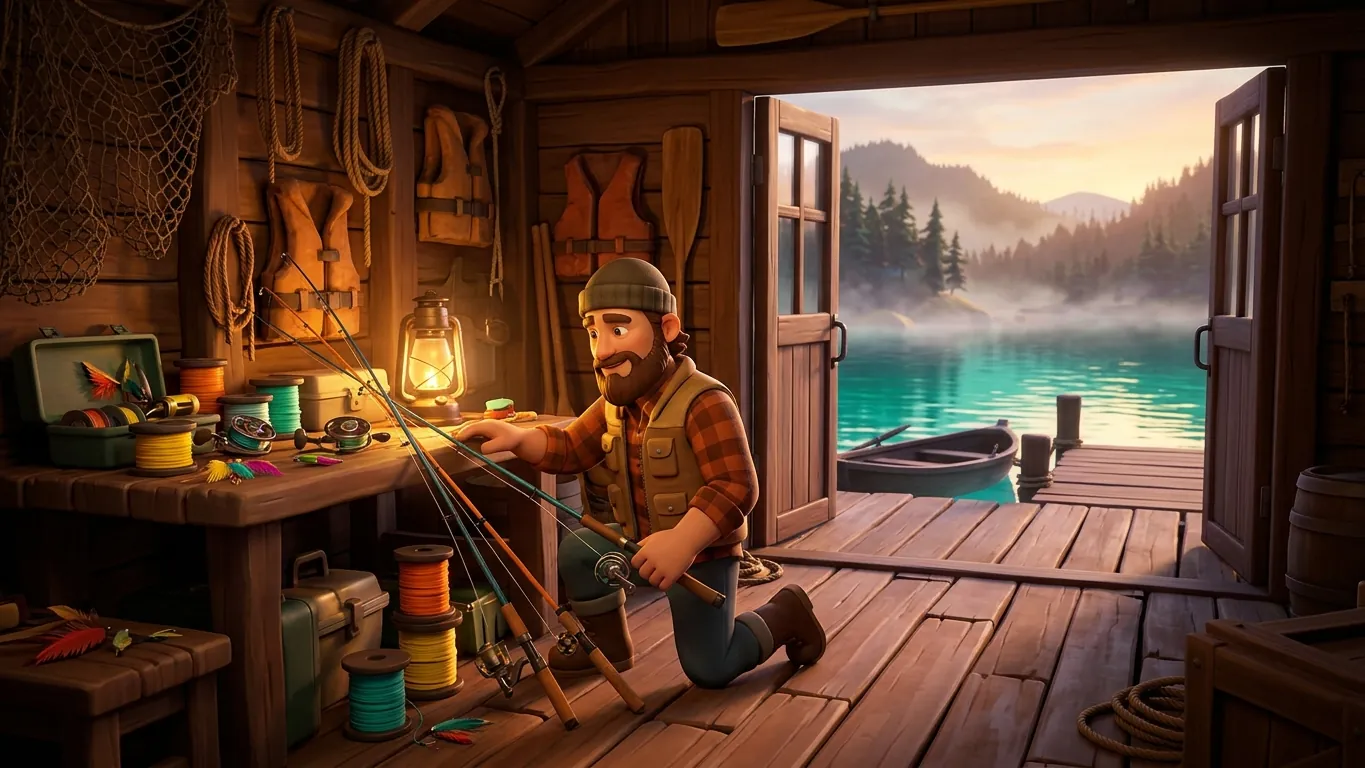 Building a balanced tackle setup in fishing games
Learn how to combine rods, reels, lines and lures in fishing video games so your gear works together and lost fish become less frequent.
Read more