What fishing games get right and wrong
Fishing games can be relaxing, challenging and surprisingly educational, but they are not the same as standing on a riverbank. This opinion piece looks at where they shine and where they simplify.
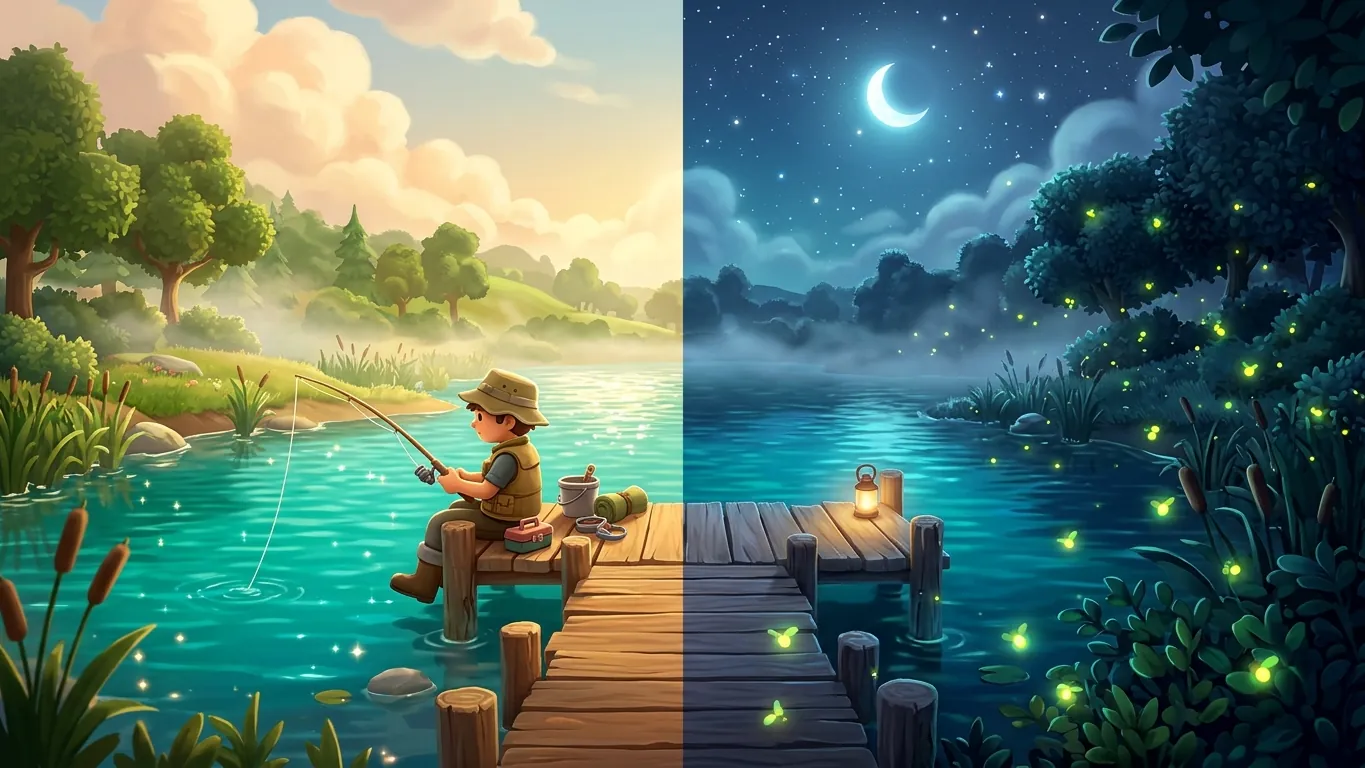
Two experiences that share a heart
At first glance, fishing seems like an odd fit for a video game. Real fishing involves long periods of waiting, unpredictable weather and the physical sensation of a fish on the line. Yet fishing games remain popular, and for good reason. They capture the anticipation of a bite, the satisfaction of a well-placed cast and the pleasure of exploring beautiful water.
In our view, the best way to enjoy both is to appreciate what each does well, rather than expecting one to replace the other.
What games get right
Many fishing games do an impressive job of teaching core concepts. Line tension, drag, the idea that different species prefer different baits and depths, and the importance of structure and time of day all appear in games that aim for realism. Players who spend time with these systems often find that the logic carries over when they pick up a real rod.
Games also excel at atmosphere. Sunrise over a misty lake, rain pattering on the water and the gentle sounds of birds and wind can make a session genuinely calming. For people who cannot easily reach good fishing water, or who simply want to unwind in the evening, that is valuable.
Finally, games make exploration easy. You can visit a wide variety of environments, from icy rivers to tropical coasts, and learn about the general character of each without travel costs or time.
What games simplify
Real fishing involves many details that games understandably streamline. Tying knots, untangling line, dealing with snags, managing wet and cold hands and handling slippery fish are all part of the real experience. So are the long quiet stretches when nothing bites, which games often shorten to keep things moving.
The feel of a bite is also hard to replicate. A controller vibration or on-screen signal cannot fully reproduce the subtle tap of a cautious fish through a sensitive rod. Reading wind, judging real currents and staying safe around water are skills that only develop outdoors.
Games also tend to make fish easier to find and more consistent in behavior. Real fish can be stubbornly unpredictable, which is part of the challenge and part of the charm.
Responsibility and ethics
One area where games and real life differ sharply is responsibility. In a game, there is no real environmental impact and no real animal. In real fishing, anglers need to follow local regulations, handle fish carefully if releasing them, dispose of line and hooks properly and respect wildlife and other people on the water.
Some games do encourage good habits, such as releasing undersized fish or following in-game limits. We think that is a welcome touch, and players who carry those habits to real waters are helping protect them.
Using each to enrich the other
Our opinion is simple: fishing games and real fishing complement each other. Games can introduce terminology, build interest in different species and keep the hobby alive during long winters or busy weeks. Real fishing brings sensory depth, unpredictability and a connection to nature that no screen can match.
If you mostly play fishing games, consider trying a short session at a local pond or lake, after checking the rules. If you mostly fish outdoors, a fishing game can be a pleasant way to experiment with techniques or explore environments you have not visited. Either way, curiosity is what makes the hobby rewarding.
Related articles
 Fishing games for beginners
New to fishing video games? Learn how casting, hooking, reeling and progression usually work, and how to enjoy your first sessions on virtual water.
Read more
 Rods and reels explained
A plain-language guide to fishing rods and reels: length, power, action, spinning and baitcasting reels, and how to choose a balanced first setup.
Read more